Select processor 1
Select processor 2
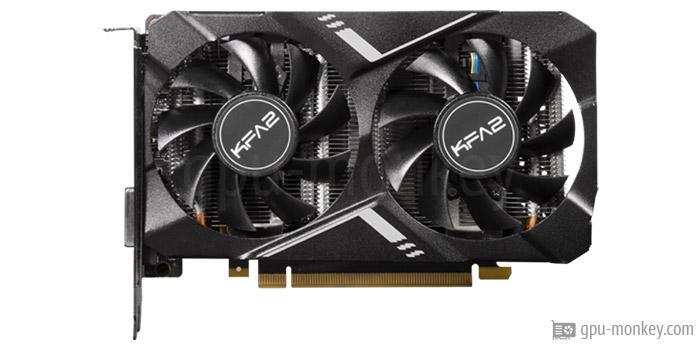
NVIDIA GeForce GT 710
Intel UHD Graphics 630

NVIDIA GeForce GT 710 vs Intel UHD Graphics 630

Overall score
star star star star star
Released
Q1/2014

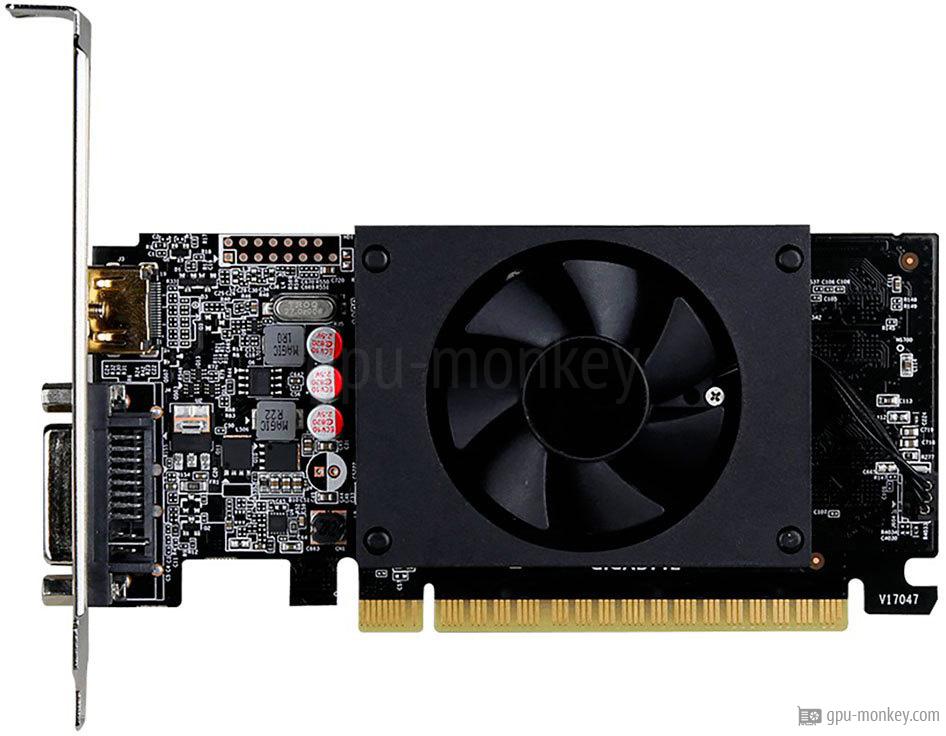
Comparison of NVIDIA GeForce GT 710 video card vs Intel UHD Graphics 630 video card by specifications and benchmarks. NVIDIA GeForce GT 710 runs at 0.954 GHz base clock speed and has 2 GB of DDR3 memory, while video card Intel UHD Graphics 630 runs at 0.350 GHz base clock speed and has 64 GB of memory. The TDP of the first video card is 19 W, and the second is --. Compare the table of benchmark results to find out which graphic card is better.

Differences
Reasons to consider
NVIDIA GeForce GT 710
Report a bug
  • Higher clock speed
    0.954 GHz left arrow 0.350 GHz
    Around 63% better clock speed
Reasons to consider
Intel UHD Graphics 630
Report a bug
  • More memory
    64 GB left arrow 2 GB
    97% more memory
Performance tests
Real tests NVIDIA GeForce GT 710 vs Intel UHD Graphics 630
Specifications
Complete list of technical specifications
NVIDIA GeForce GT 710 NVIDIA GeForce GT 710
Intel UHD Graphics 630 Intel UHD Graphics 630
GPU

Comparison of GPU cores for NVIDIA GeForce GT 710 and Intel UHD Graphics 630 graphics cards. The GPU core data contains the number of blocks (in the AMD documentation these blocks are called Shader Engine (SE), while Nvidia calls them Graphics Processing Clusters (GPC), words are different, the essence is the same) and ROP/TMUs (Raster Processing Units). These characteristics have a great influence on the GPU computing power.
  • Based on
    NVIDIA GeForce GT 710 left arrow Intel UHD Graphics 630
  • GPU Chip
    GK208-203-B1 (Kepler 2.0) left arrow Integrated graphics
  • Execution units
    1 left arrow 24
  • Shader
    192 left arrow 192
  • Render Output Units
    8 left arrow 0
  • Texture Units
    16 left arrow 0
Memory

The values comparison for the amount, type and speed of memory, along with the bandwidth in the NVIDIA GeForce GT 710 and Intel UHD Graphics 630 GPUs. A sufficiently large amount of graphics memory with high frequency and adequate bandwidth positively affects the speed of high resolution texture processing.
  • Memory Size
    2 GB left arrow 64 GB
  • Memory Type
    DDR3 left arrow
  • Memory Clock
    0.900 GHz left arrow 0.000 GHz
  • Memory Speed
    1.8 Gbps left arrow 0 Gbps
  • Memory Bandwith
    14 GB/s left arrow 0 GB/s
  • Memory Interface
    64 bit left arrow 0 bit
Clock Speeds

Let's compare the base and maximum frequency of the NVIDIA GeForce GT 710 and Intel UHD Graphics 630 graphics cards. These values are not displayed in the BIOS, but can be viewed with the help of diagnostic utilities such as GPU-Z or Everest.
  • Base Clock
    0.954 GHz left arrow 0.350 GHz
  • Boost Clock
    left arrow 1.250 GHz
  • Overclocking
    No left arrow No
Thermal Design

Comparison of the thermal design power of the NVIDIA GeForce GT 710 and Intel UHD Graphics 630 GPUs. The TDP number determines the maximum power consumption of your graphics card. The specifications for computer ventilation and power supply are often based on the TDP numbers and should be optimized for it.
  • TDP
    19 W left arrow --
Cooler & Fans

Here we are going to look at the types of cooling systems for NVIDIA GeForce GT 710 and Intel UHD Graphics 630 as well as their sizes and performance. As a rule, fans with larger diameters have an advantage because they can move the same volumes of air while rotating more slowly than smaller fans. It should be noted that liquid cooling systems in addition to fans and aluminum radiators need some kind of pump, which can also be noisy.
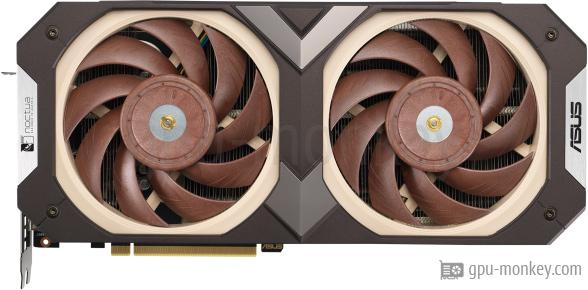
  • Cooler-Type
    Air cooling left arrow --
Connectivity

Number and types of sockets for video output and connection in NVIDIA GeForce GT 710 and Intel UHD Graphics 630 GPUs.
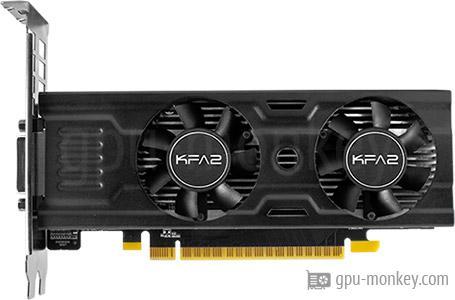
  • Max. Displays
    3 left arrow 3
  • HDCP-Version
    2.2 left arrow 2.2
  • HDMI Ports
    1x HDMI v1.4a left arrow --
  • DVI Ports
    1 left arrow --
  • VGA Ports
    1 left arrow --
Featureset

In this section, we'll explore what functions the NVIDIA GeForce GT 710 and Intel UHD Graphics 630 GPUs have. In addition, we have added ray tracing support to achieve the proper simulation of light rays and shadows. The list can vary slightly depending on the manufacturer.
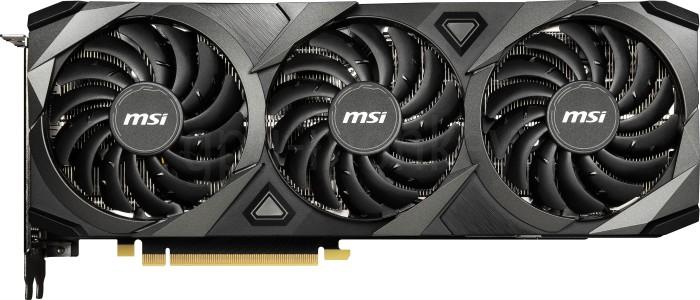
  • Max. resolution
    3840x2160 left arrow --
  • DirectX
    12 (11_1) left arrow 12
  • Raytracing
    No left arrow No
  • DLSS / FSR
    No left arrow No
  • LED
    No LED lighting left arrow No LED lighting
Supported Video Codecs

Let's compare how NVIDIA GeForce GT 710 and Intel UHD Graphics 630 support popular codecs h264, VP8, h265 / HEVC, VP9 and AV1. The availability of such video codecs helps reduce the load on the graphics card during the playback or creation of videos. This has a positive effect on reducing power consumption and heat generation by the GPU.
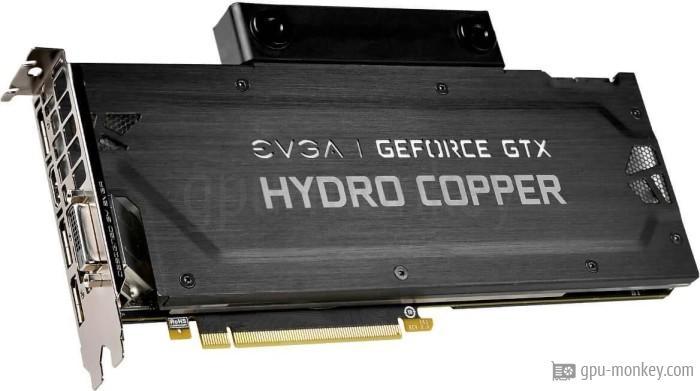
  • h264
    Decode left arrow Decode / Encode
  • h265 / HEVC
    No left arrow Decode / Encode
  • VP8
    No left arrow Decode / Encode
  • VP9
    No left arrow Decode / Encode
  • AV1
    No left arrow No
Dimensions

The comparison of the NVIDIA GeForce GT 710 and Intel UHD Graphics 630 graphics cards dimensions. With knowledge of the exact measurements of the graphics card, you can check whether it is possible to put it in the case of your PC. We have also added support for PCI Express bus.
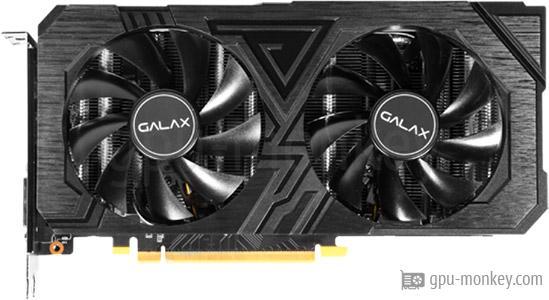
  • Width (Slots)
    1 PCIe-Slots left arrow --
Additional data

Here you can find information about the type (for desktops or laptops) and architecture of NVIDIA GeForce GT 710 and Intel UHD Graphics 630, along with the sales starting time and the price at that moment. We provide a link to the GPU specifications directly from its manufacturer.

  • GPU Interface
    PCIe 2.0 x 8 left arrow Integrated graphics
  • Release date
    Q1/2014 left arrow Q4/2017
  • Launch Price
    35 $ (Reference) left arrow --
  • Structure size
    28 nm left arrow 14 nm
Latest comparisons